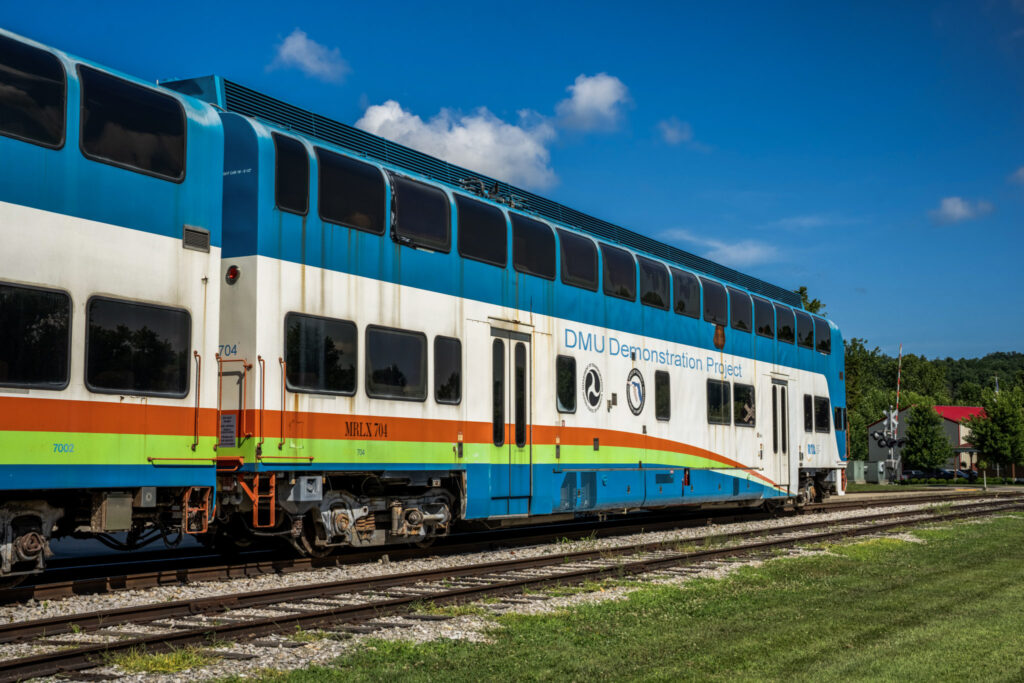
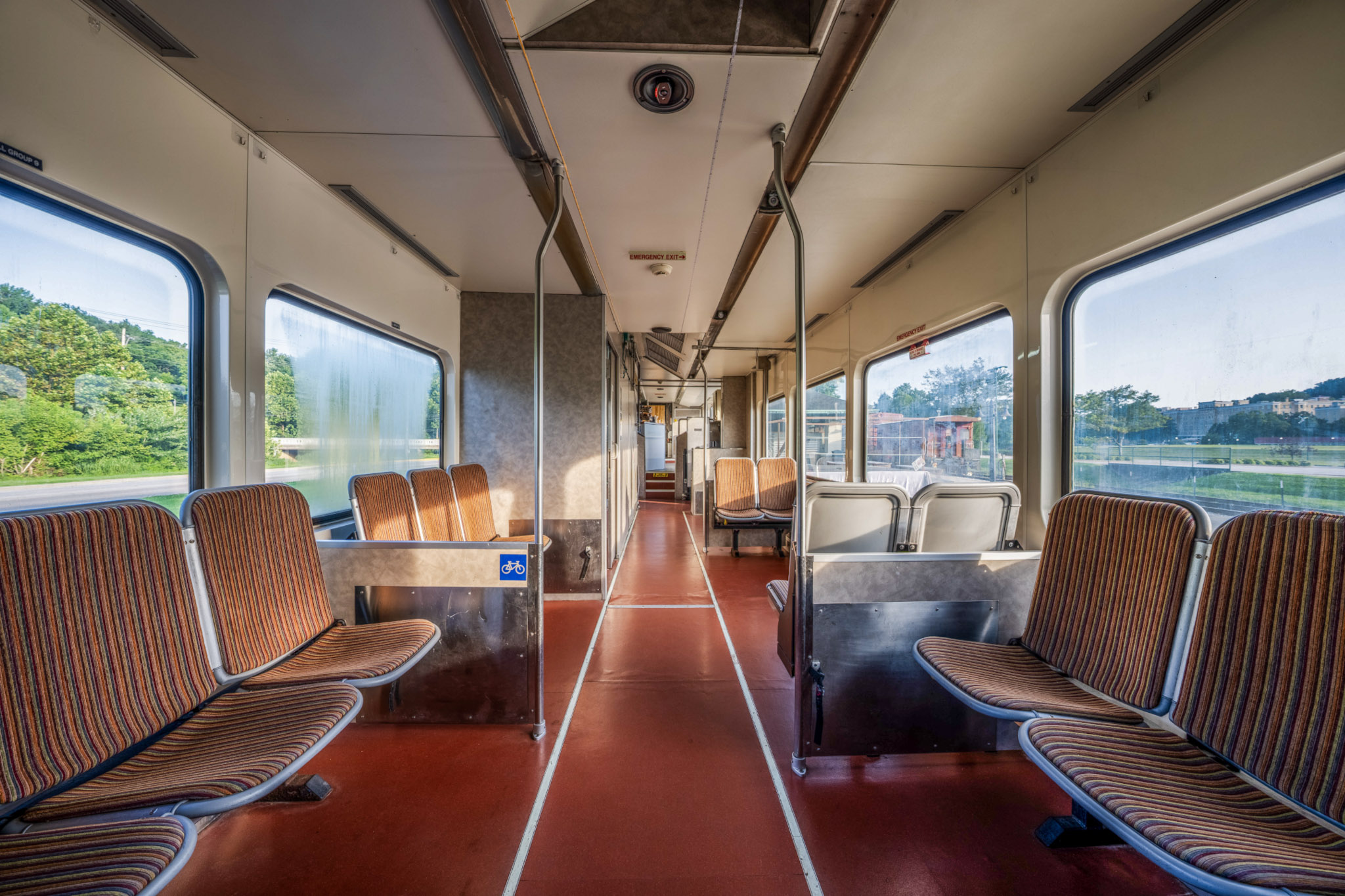
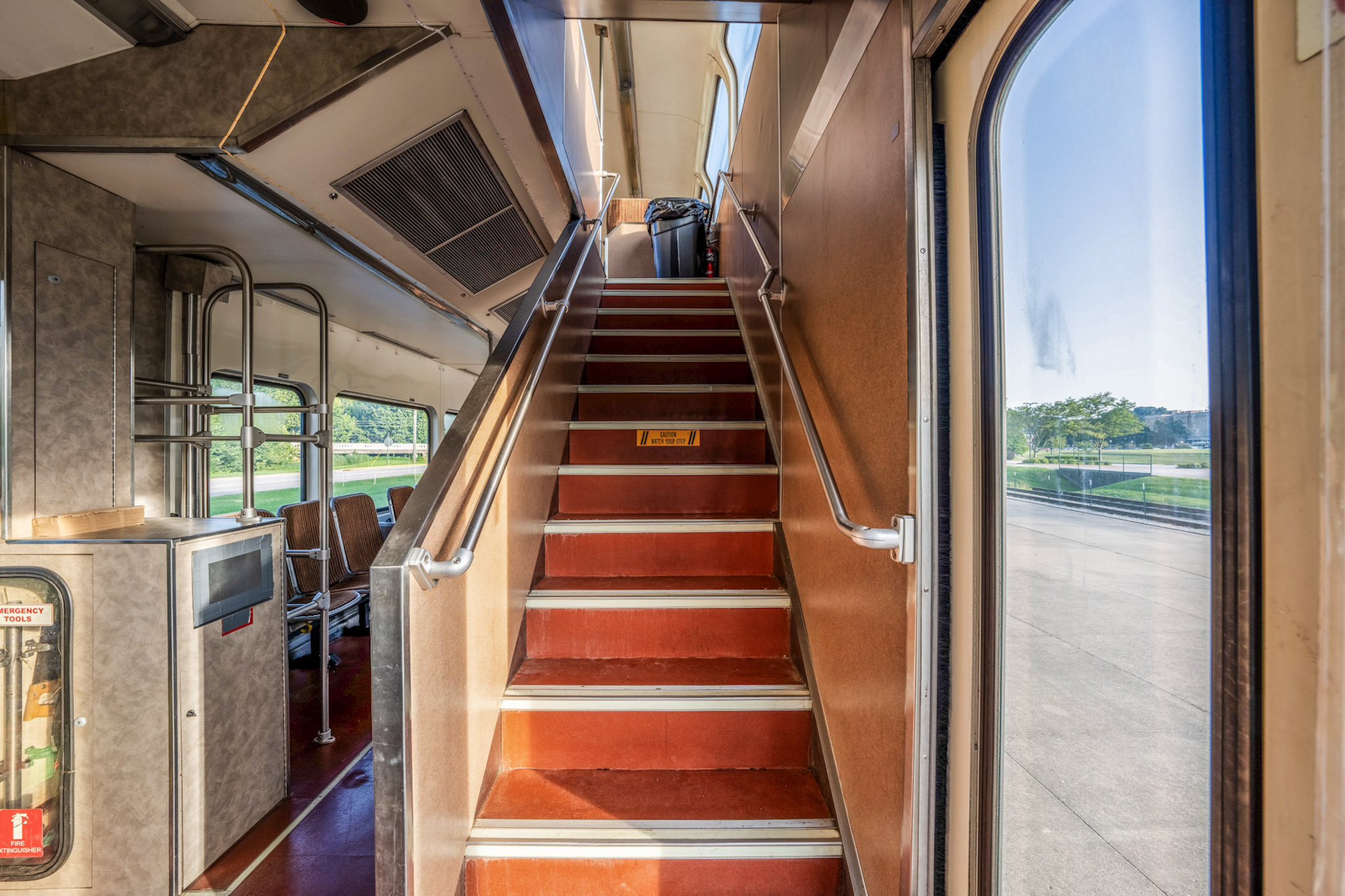
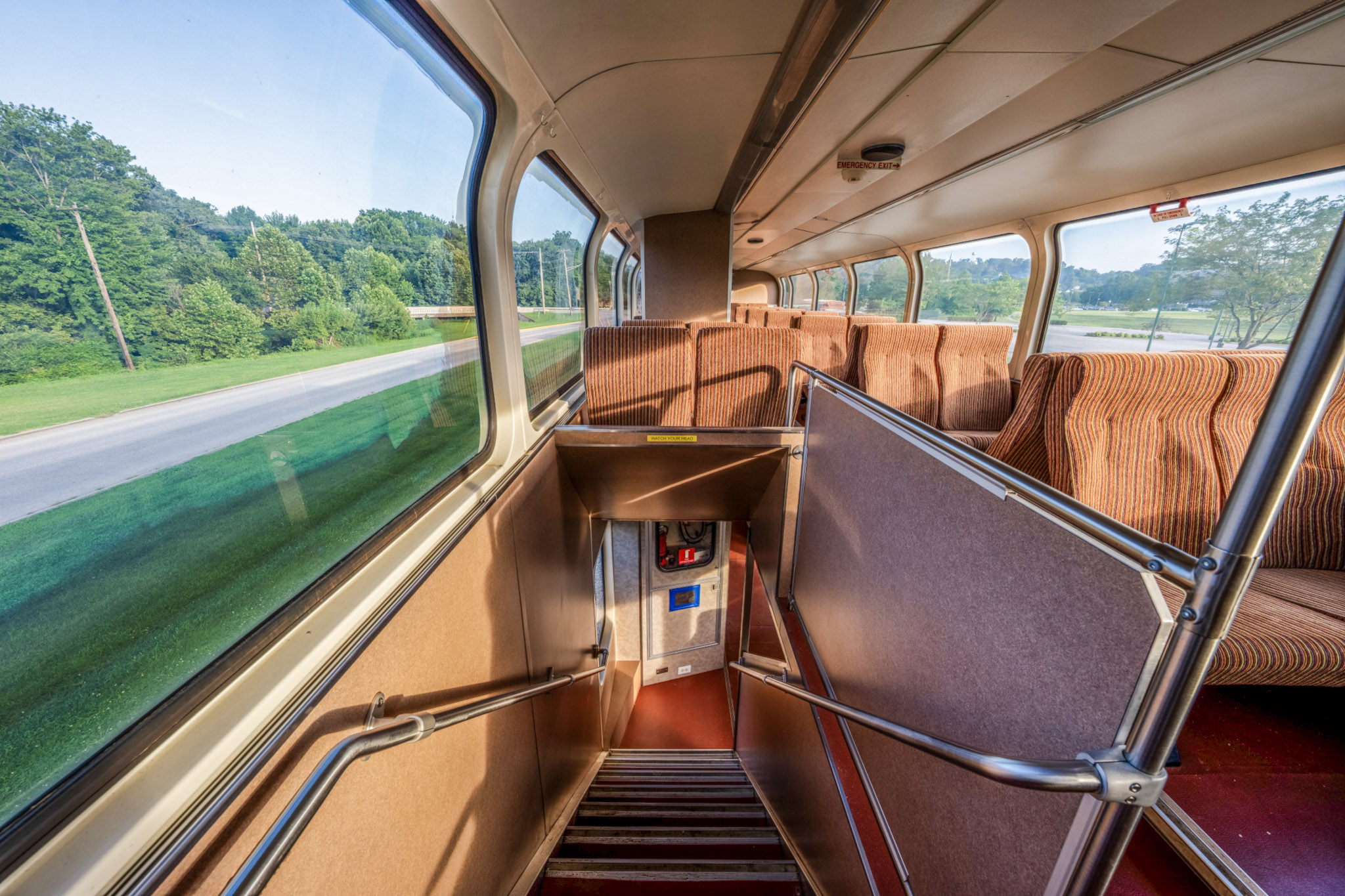
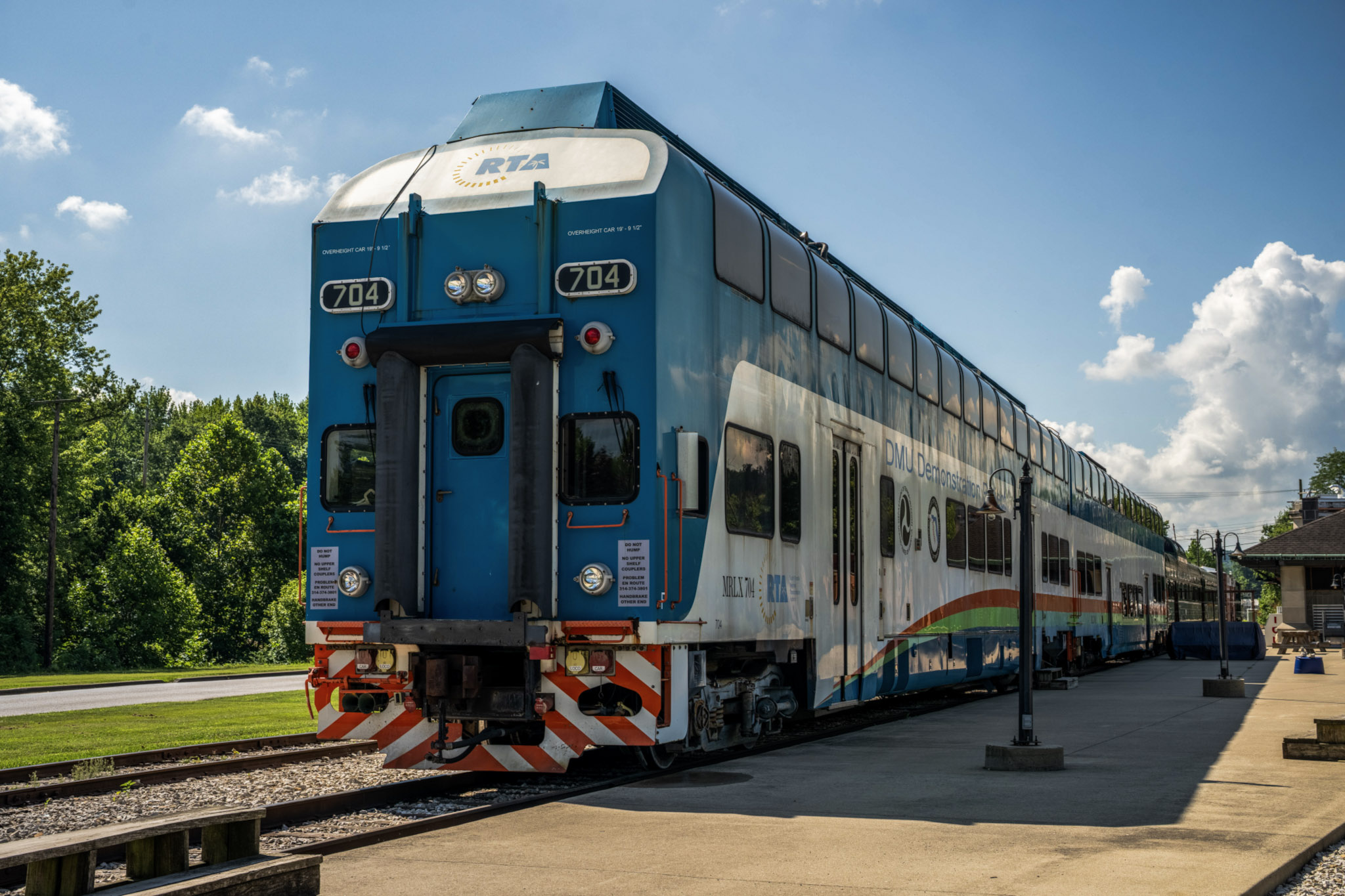
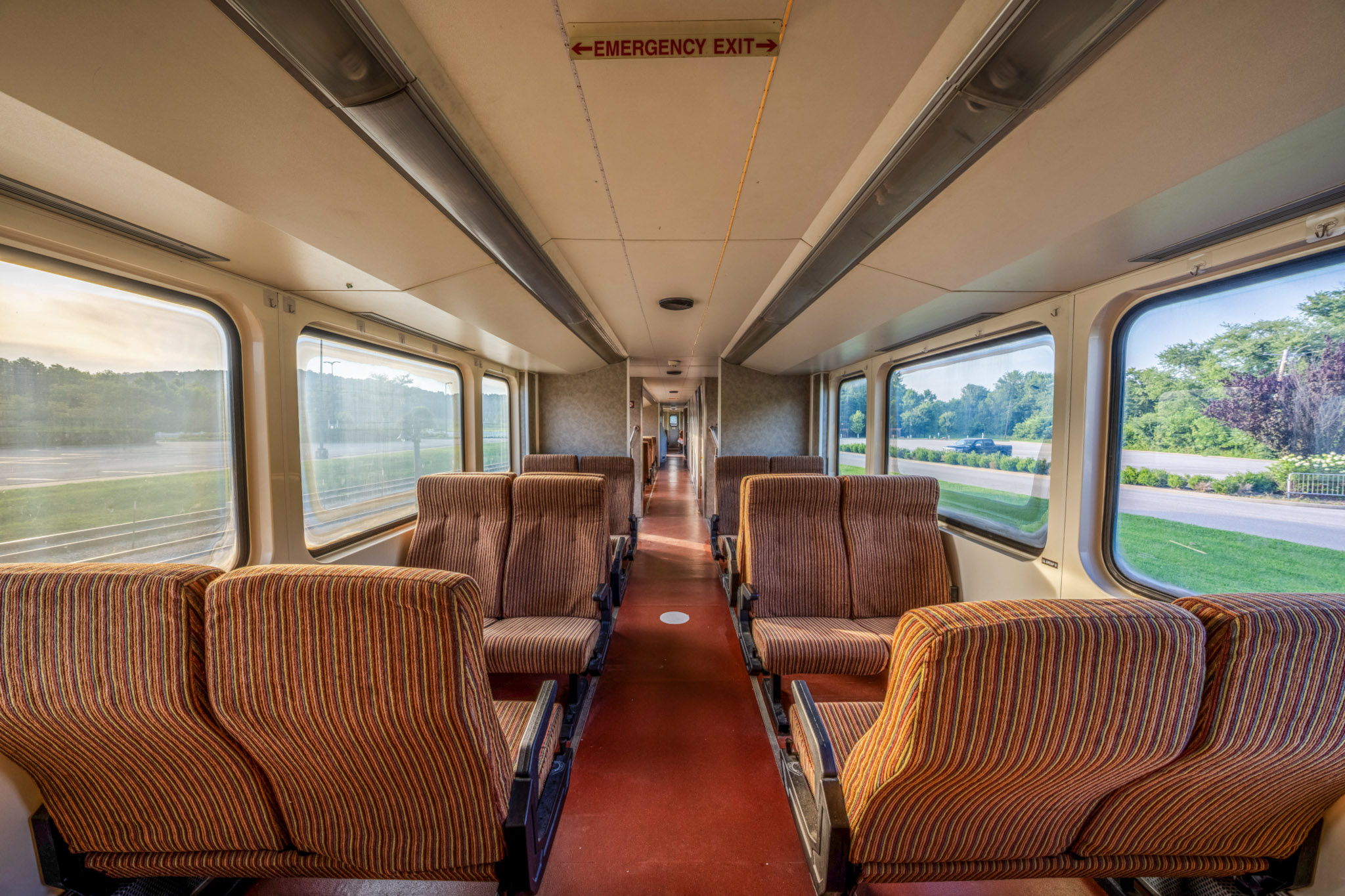
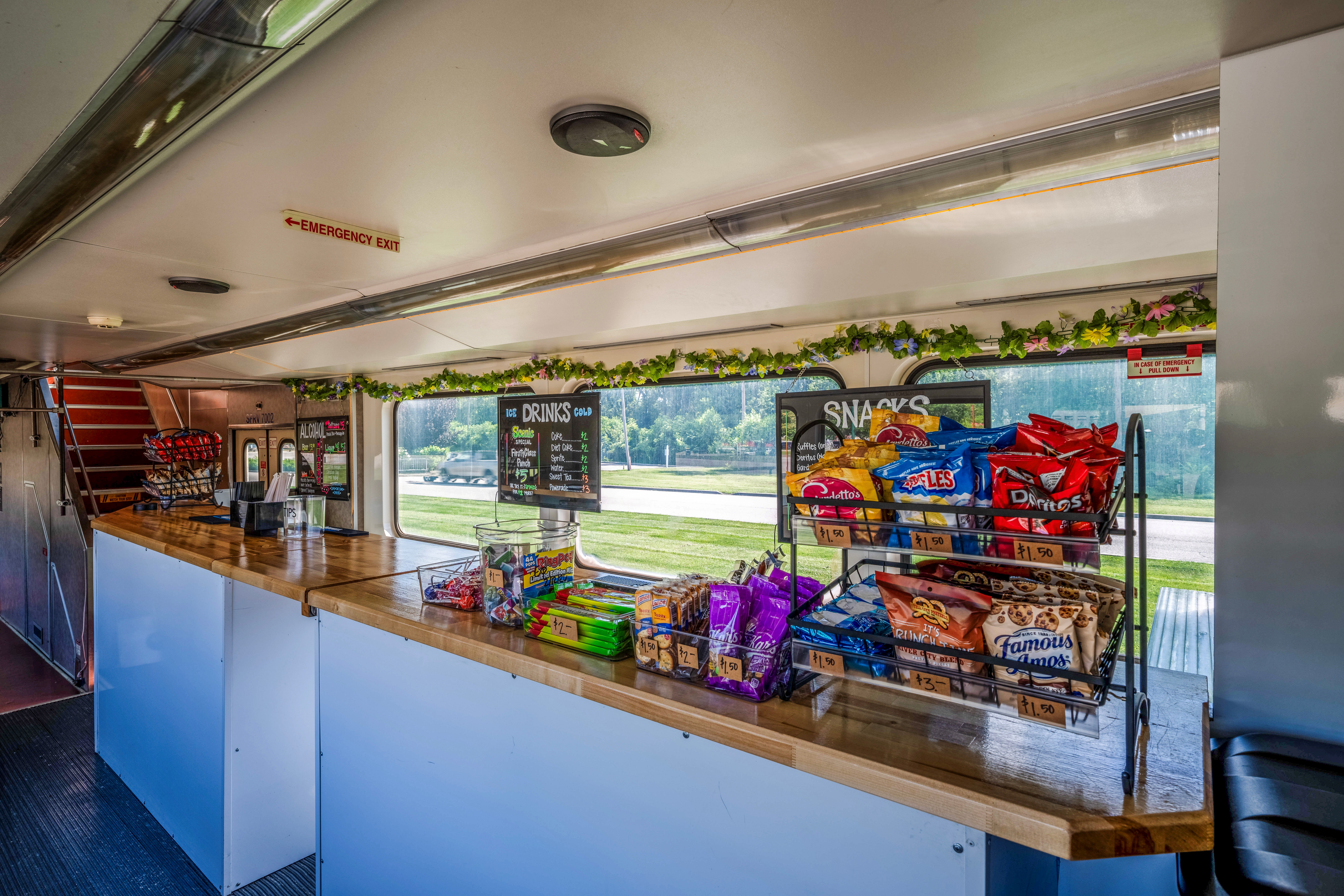
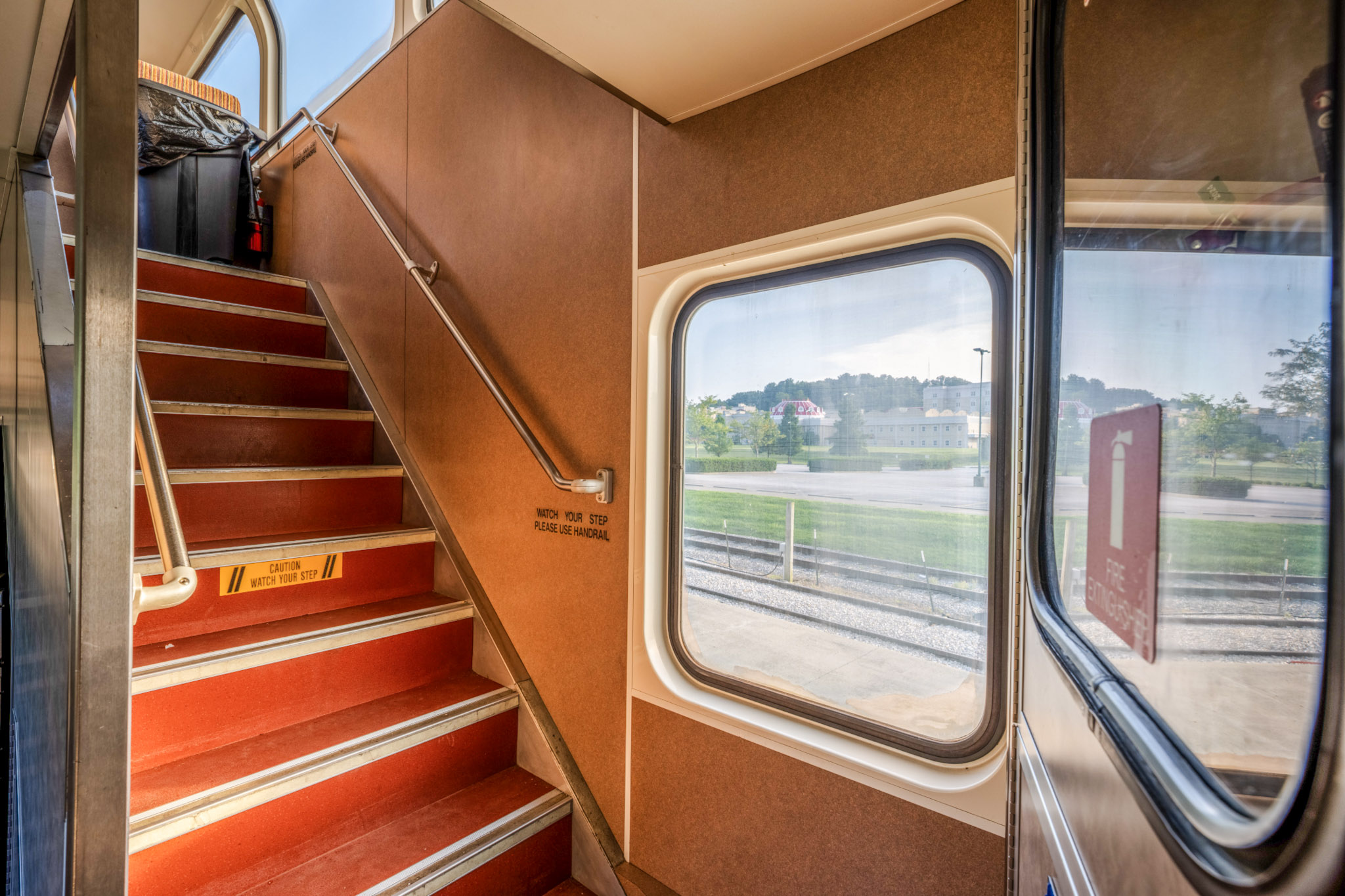
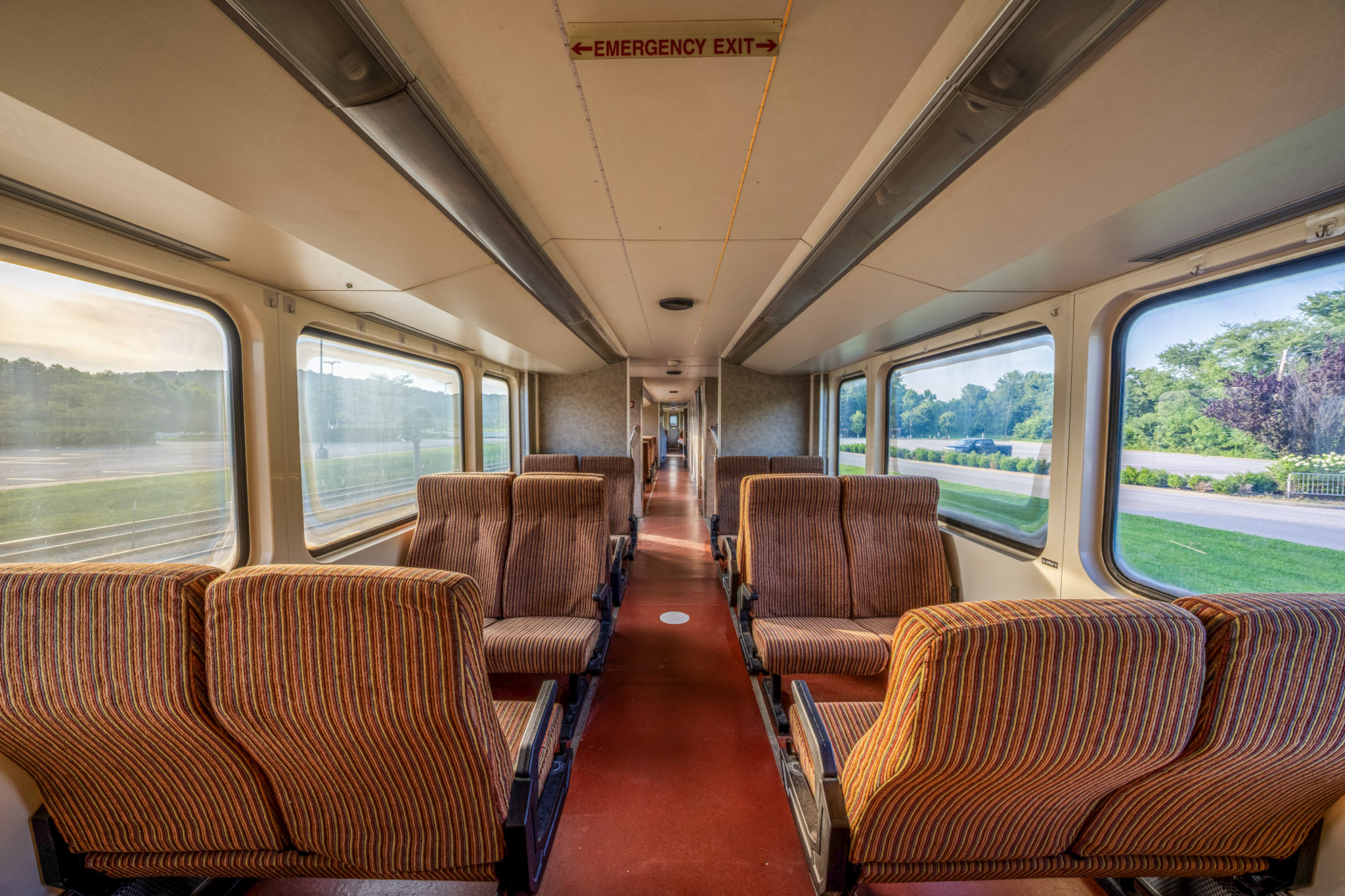
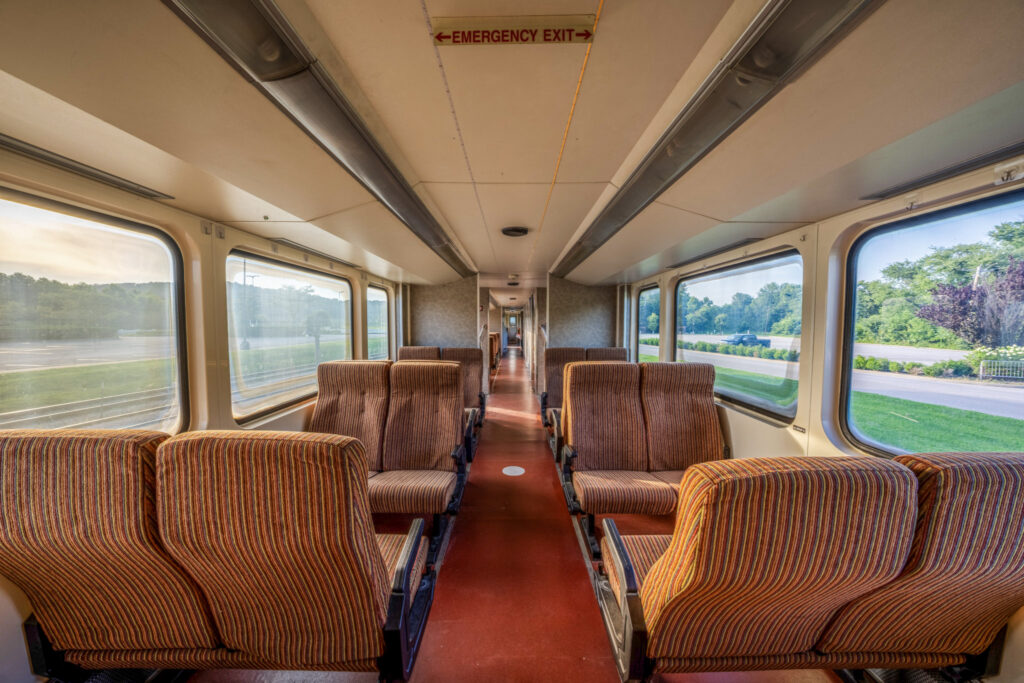
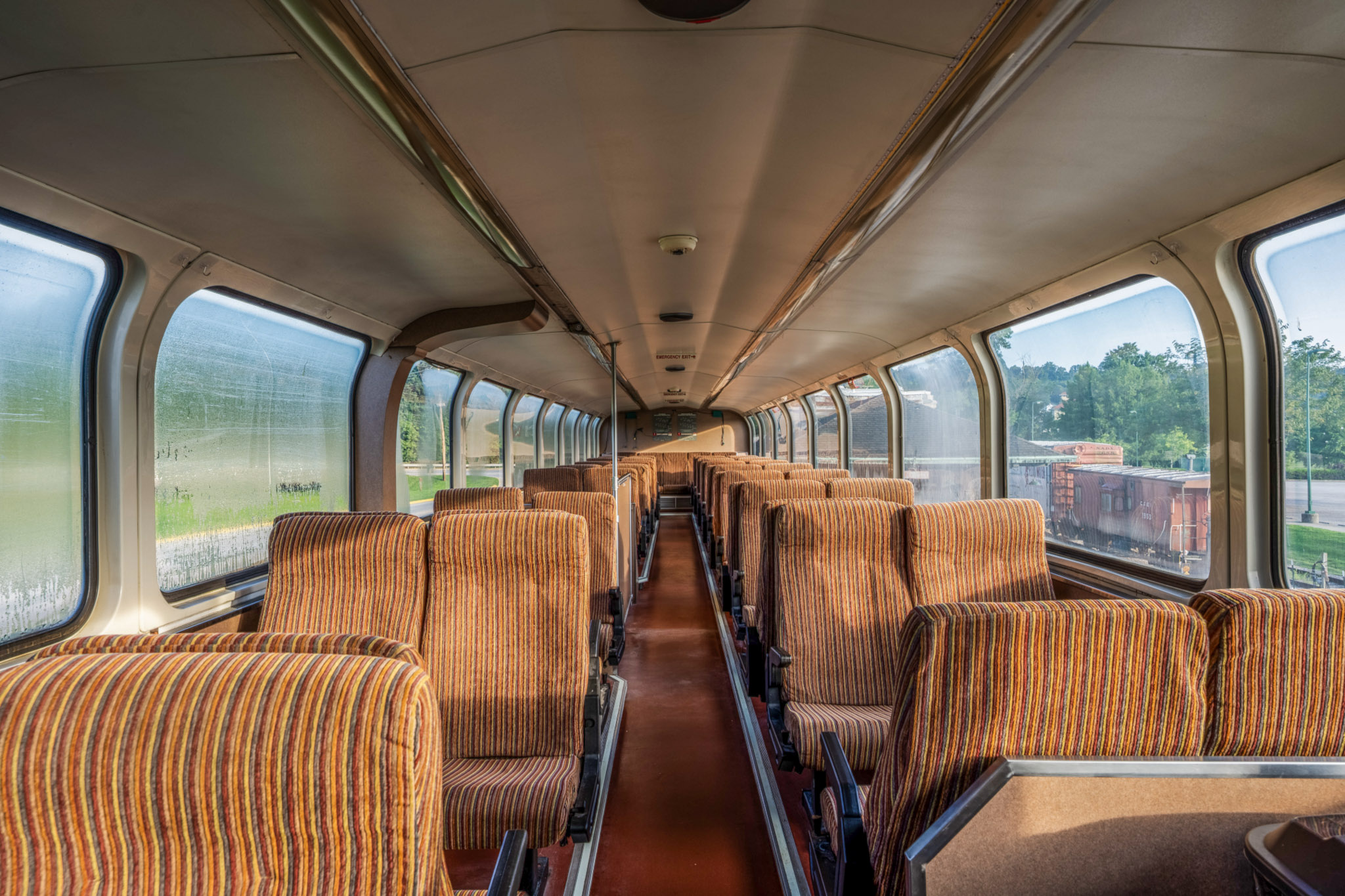
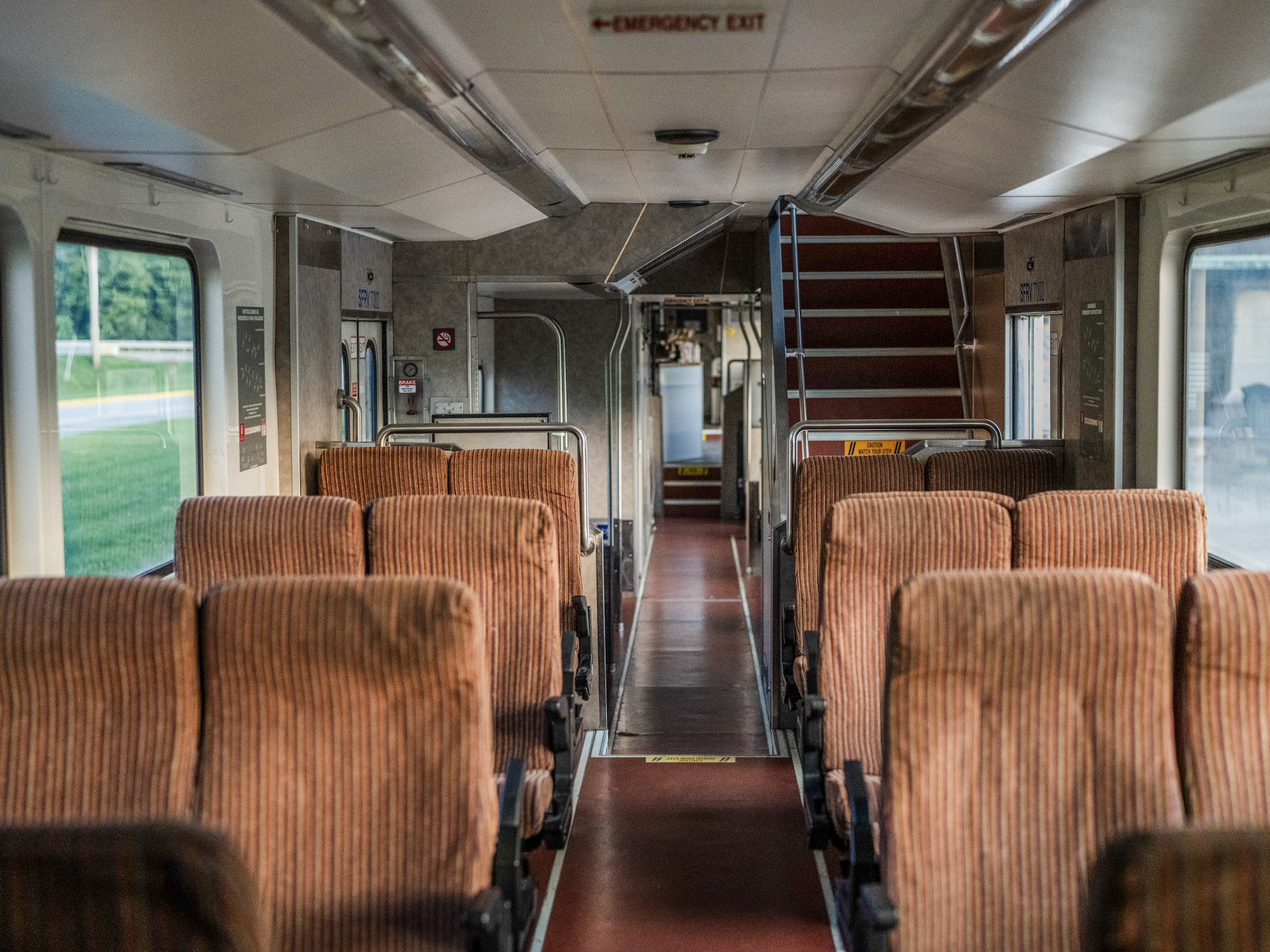
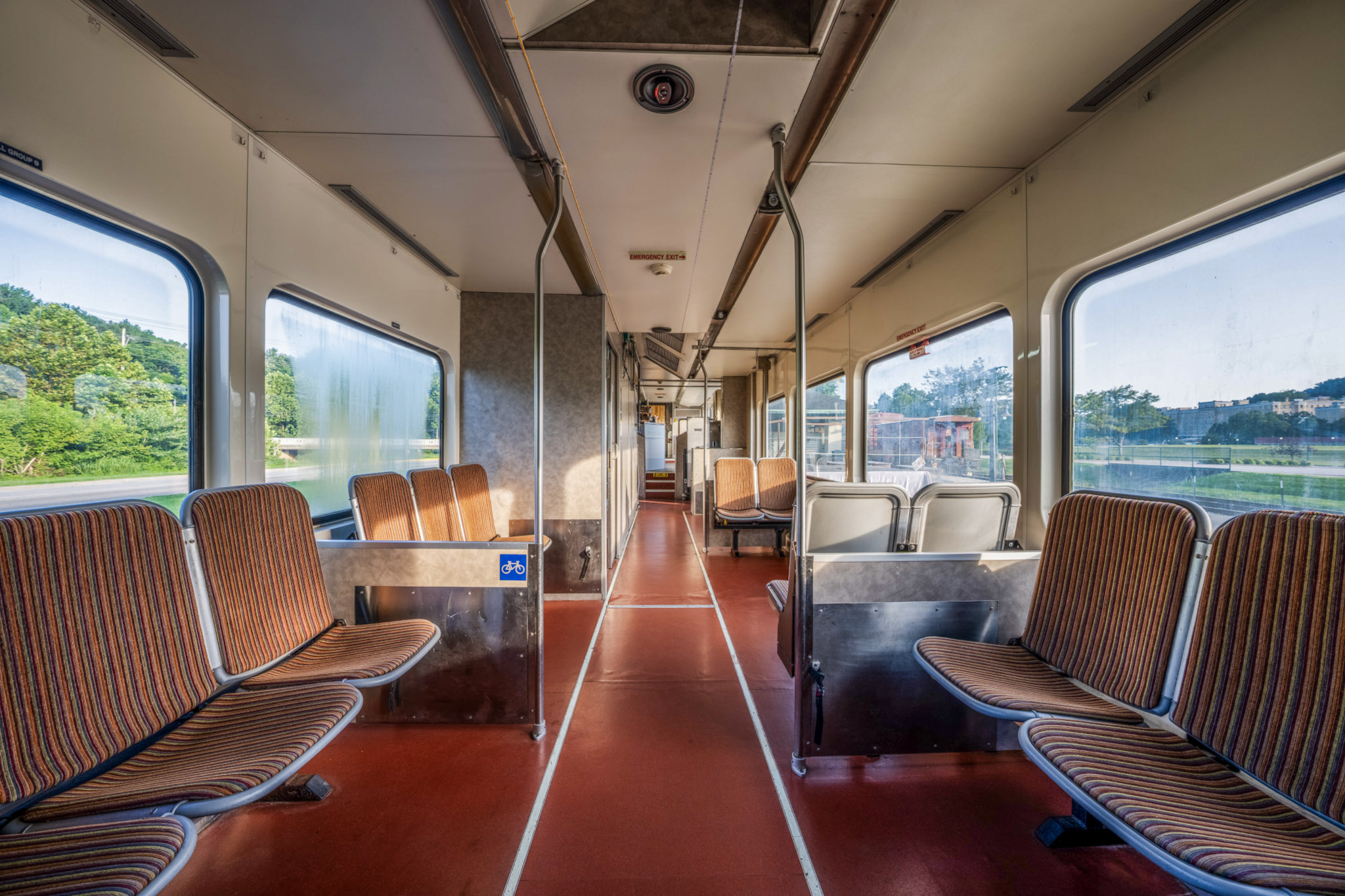
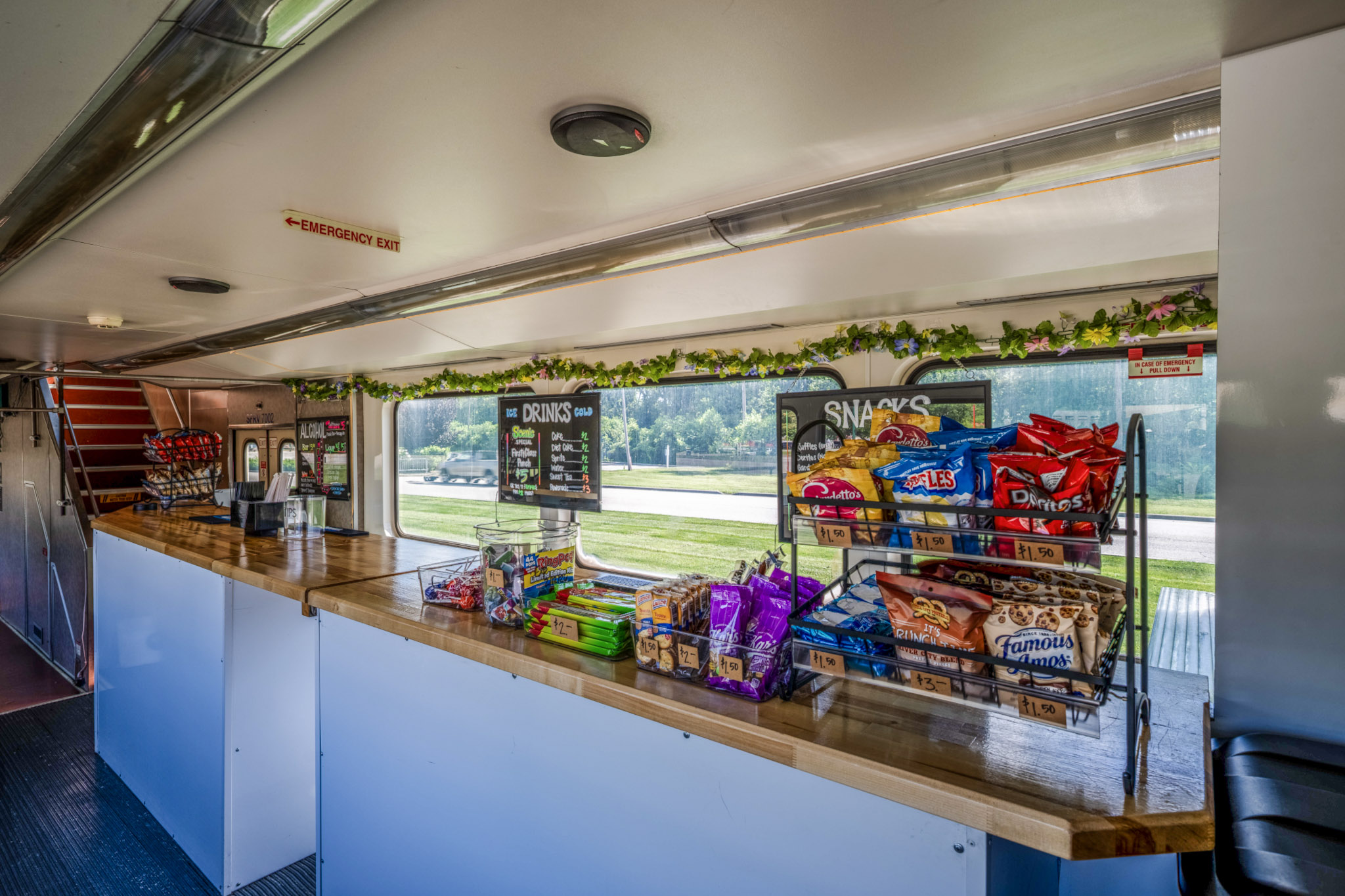
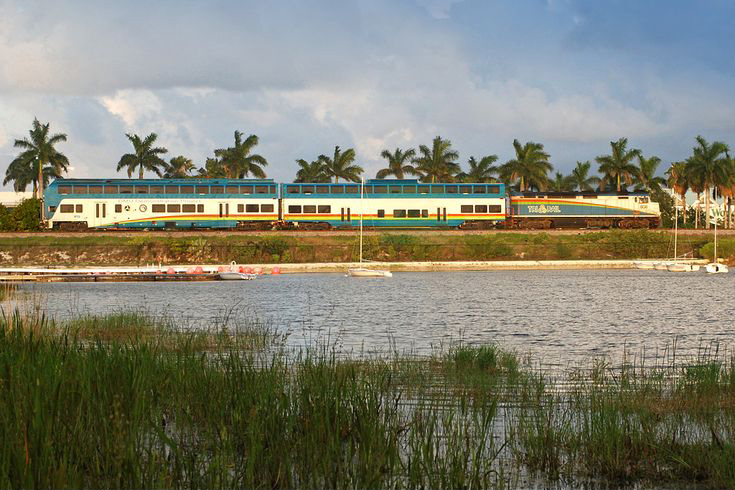
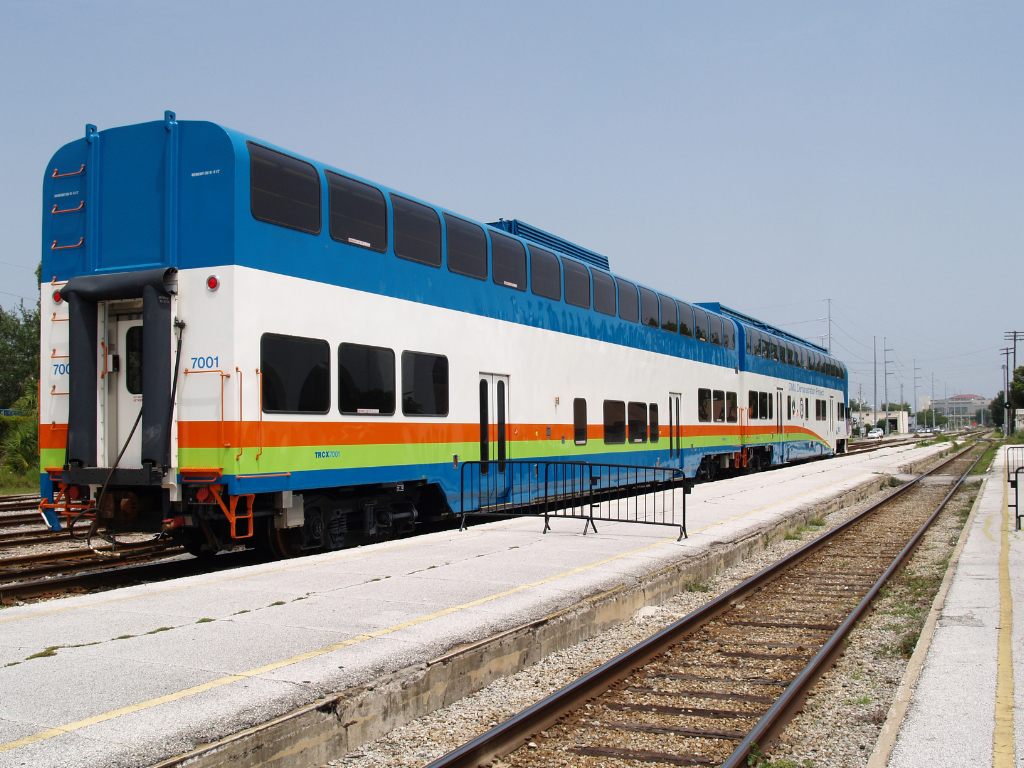
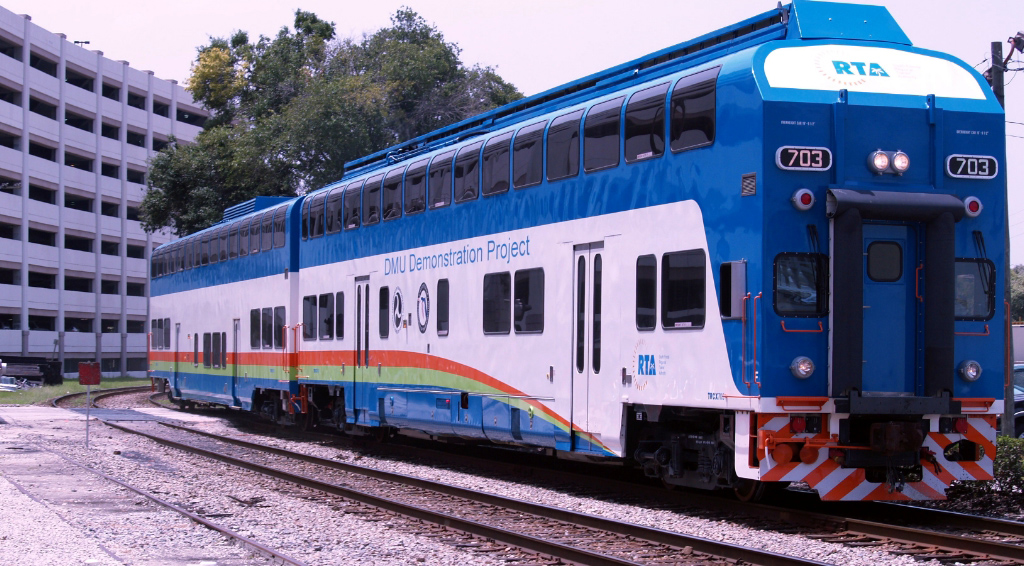
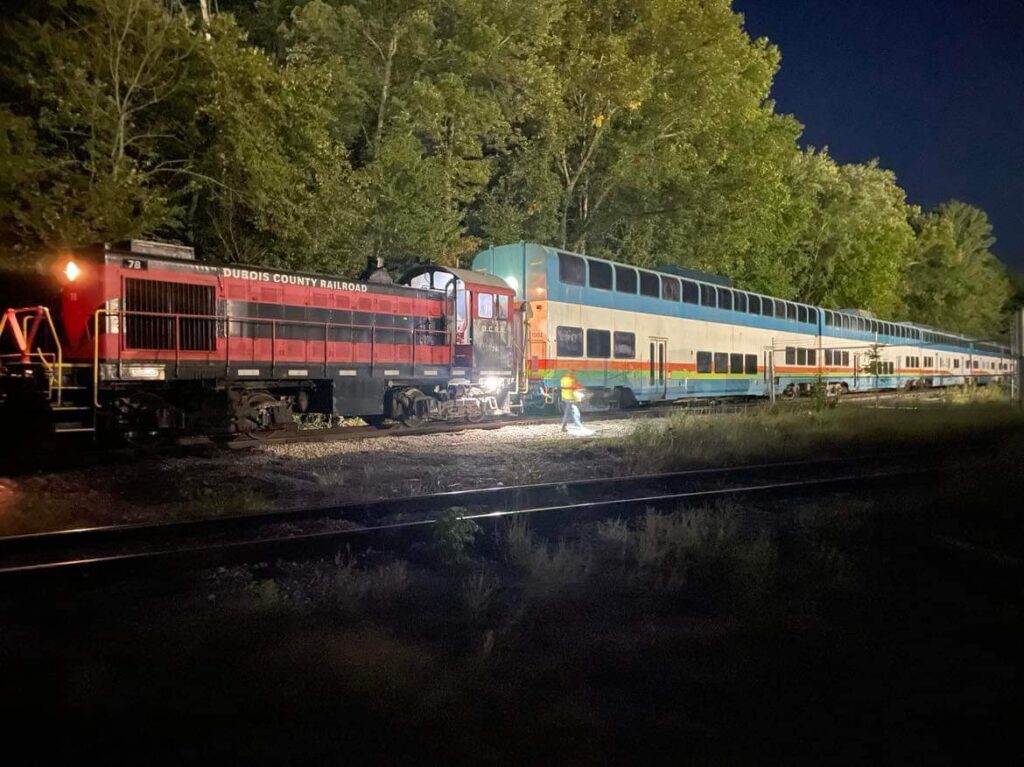
One of the newest additions to our fleet of railroad rolling stock is a fleet of six (6) modern Diesel Multiple Unit (DMU) double-deck passenger cars. Standing at 19 feet 9.5 inches tall and 89 feet long, these cars feature a design that maximizes the largest envelope possible for rail vehicles to provide the most comfortable, high-capacity commuter rail cars available on the market. Four of the six units are built with self-propulsion and cab controls while the remaining two are simply trailer cars. Originally manufactured by Colorado Railcar between 2004 – 2008, these units were built as three car train sets bound for service in Miami, FL on the Tri-Rail commuter rail system. After nearly 10 years of service in Florida from 2004 to 2014, all six cars were eventually parked on a siding until 2023, when we worked with the individuals who purchased them from Tri-Rail to arrange a lease-purchase option at IRM.
Although constructed around 20 years ago, the technology and electrical engineering that went into these cars is still considered state-of-the-art technology today. Fortunately, we are in contact with multiple of the original designers and engineers who created these cars and many of them have expressed a high degree of interest in assisting us bring these cars into service for our operation. While we don’t have any interest in immediately returning any of the units to self-propelled service, we don’t intend to remove any of those components until or unless an assessment can be made – with the help of the experts who built these cars – as to whether or not it would be feasible to return these cars to that type of service.
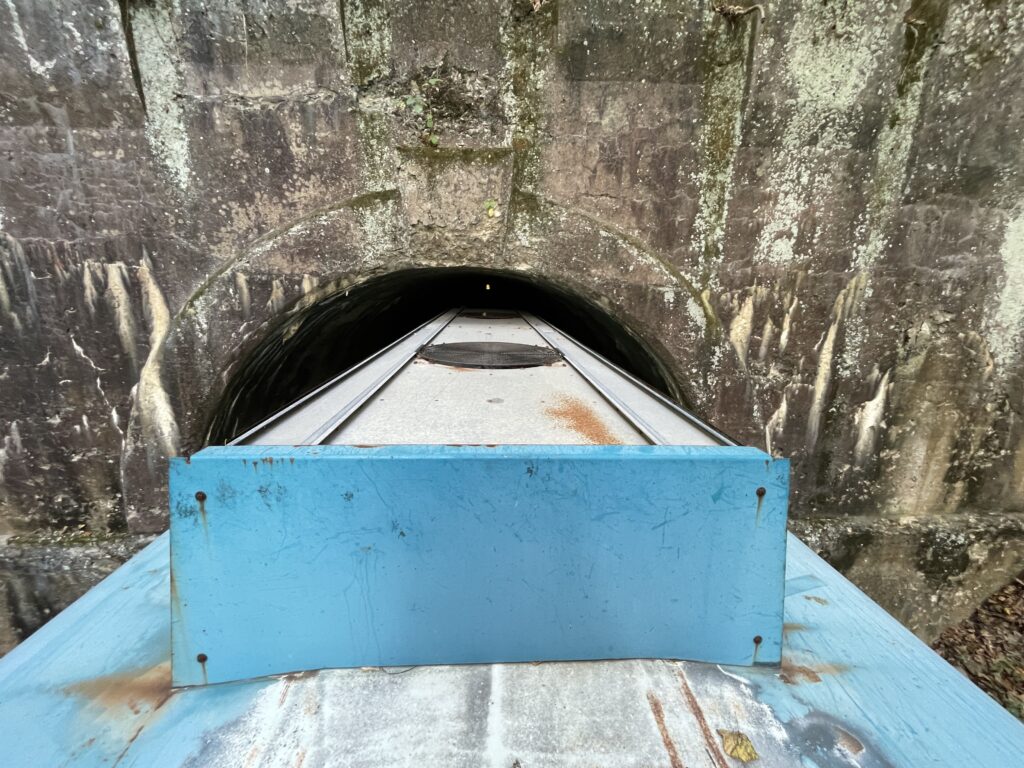
The process of obtaining this equipment was not without its challenges. Initially, our team had to ensure that the cars would fit through Burton Tunnel by taking measurements and utilizing templates that represented the profile of the car. Once we determined that the cars would (most likely) fit (we knew it would be within 12 inches), we had to assess the cars in Miami, Florida. Our General Manager and Chief Mechanical Officer, as well as board members Alan Barnett and Brian Small each had an opportunity to inspect the cars prior to negotiating with the owners.
Eventually, the decision was made to relocate the cars to IRM for further inspection and analysis. The saga of shipping these cars by rail began in mid-July 2023 by coordinating with more than nine local utility companies to have them inspect and raise their overhead utility lines, and continued until the cars were delivered by Norfolk Southern at interchange in Huntingburg, IN on September 18, 2023.
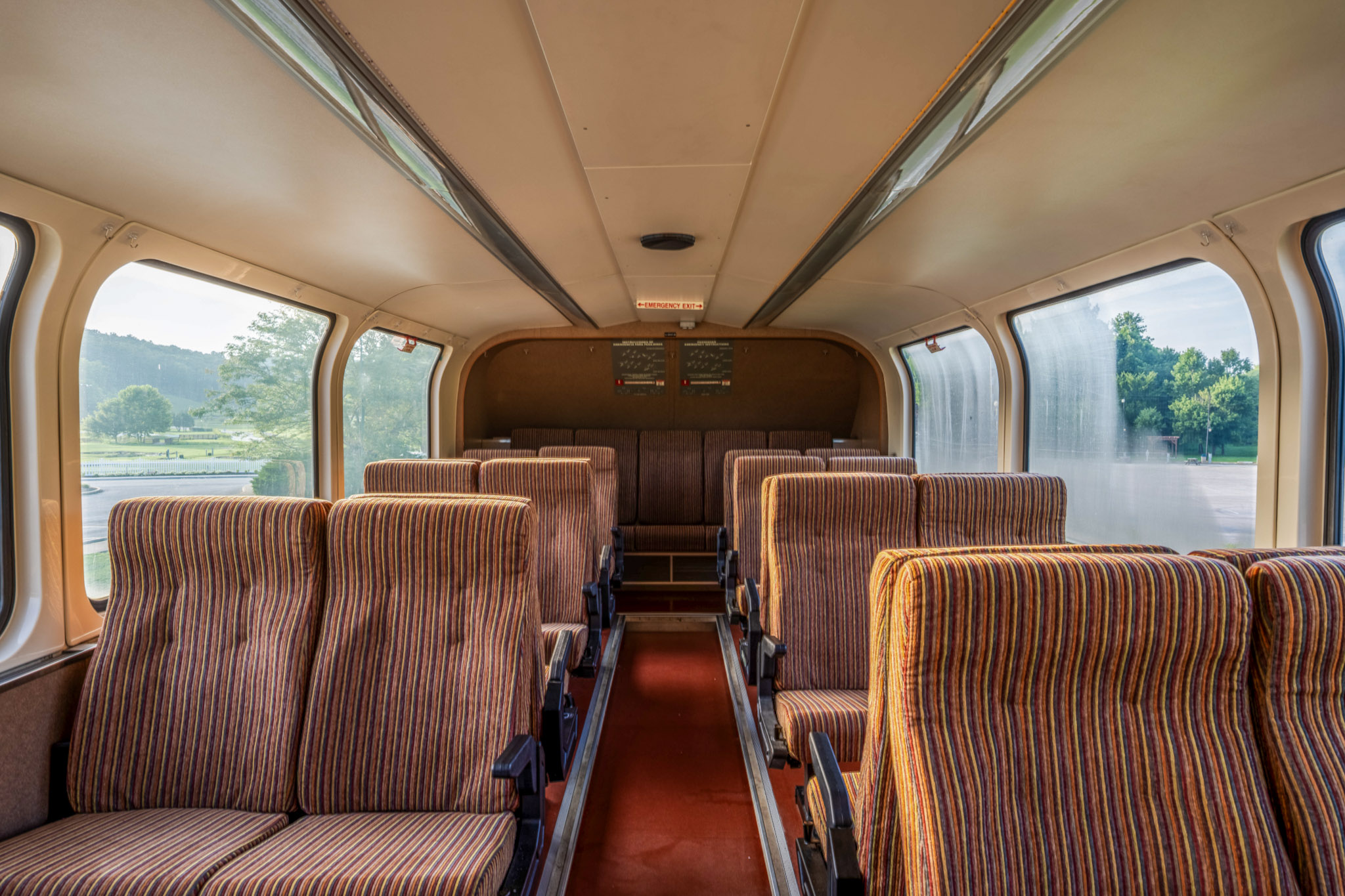
These new cars were an obvious choice for IRM because they offered what no other passenger cars could: more passenger capacity in less train length. With our extremely popular THE POLAR EXPRESS™ Train Ride operating at full capacity for nearly all of the last 14 years, and the train set expanded to fill up all of the available track space at the depot, our only option was to find taller train cars to expand capacity. And these DMU’s fit the bill perfectly. Not only did we expand capacity with these cars, but we’ve added more scenic views with extra large curved glass, comfortable coach seats, ADA accessibility, and much more. We invite you to take a trip with us this year to experience the modern comfort and extraordinary views that these cars offer.
Subscribe
French Lick & West Baden was once known as the home to “America’s Laxative”. The Pluto Water slogan was “When nature wont, Pluto will.” At one point in time, 40-50 train cars were used to ship Pluto Water across the country. This “healing” water naturally contained sodium, magnesium sulfate, and lithium which produced a foul odor. This odor prompted people to say that the underworld couldn’t be far away.
Pluto, the Roman God of the Underworld became a staple symbol in our area. Ultimately, Pluto Water sales were stopped in 1971 when lithium became a controlled substance and was no longer allowed to be sold publicly. However, the Pluto symbol remains and can still be found in many areas locally.
IMPORTANT SCHEDULE UPDATE
Scenic Train Rides will return in October as we begin essential maintenance on our historic fleet.
While train operations are temporarily paused, our depot and gift shop remain open. Stop by and browse unique souvenirs and support the ongoing preservation of the French Lick Scenic Railway.
Scenic Train Rides return in October, followed by THE POLAR EXPRESS™ Train Ride through November and December.
Thank you for your support. We look forward to seeing you this summer and welcoming you back aboard this fall!